95 Peckham Road, London, Peter Barber Architects, 2019 This is the final post in my trilogy of blogs on social housing. Blog 1 explored a concentration of diverse social housing developments within a small part of London to see what lessons might help address today’s acute housing need. Blog 2 situated those initial observations within... Continue Reading →
From Lutyens’ Page Street housing to Darnbourne and Darke’s Lillington Gardens and beyond: English social housing in its architectural context
In the field of collective housing Le Corbusier’s Unité d’Habitation at Marseilles had something of the function of a prototype, writes William Curtis in his 1981 Modern Architecture since 2000. I met Curtis some time ago at an Italian architects’ conference in Sicily and have kept in touch since. Having recently seen my 17/08/25 post... Continue Reading →
New social media network
I have a new social media network in Mastodon and would like to invite friends, colleagues and people I have not met yet to join me. I look forward to engaging with you in my blog and my social media accounts. If you are not in Mastodon you can find me in LinkedIn, Instagram and... Continue Reading →
Architecture and narrative: a postscript
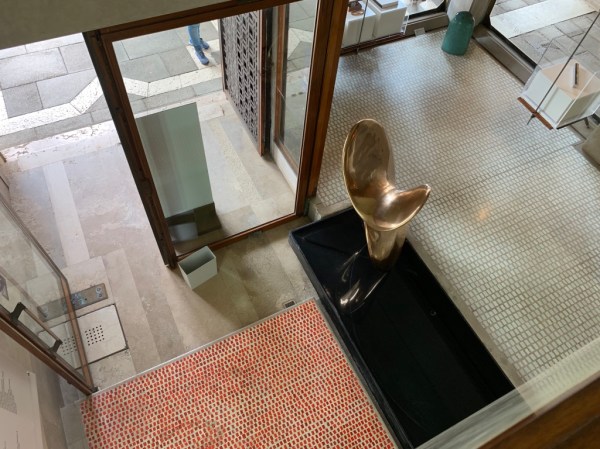
Carlo Scarpa, Olivetti Showroom. Photo S. Psarra In the Fall Semester 2020 I was invited to contribute to my friend and colleague John Peponis' design studio Architecture Perception Curation in the School of Architecture in Georgia Tech. Having given a lecture to John's students in October, I soon joined a stimulating programme of reviews with... Continue Reading →
Powers of Three at EPFLausanne
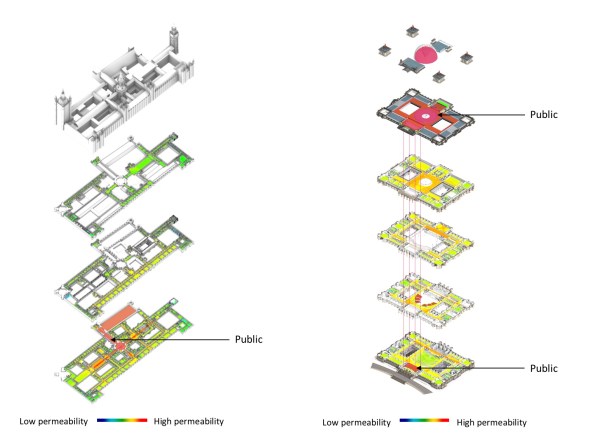
Featured image: Permeability and the relationship between Parliament and the public in the Houses of Parliament, United Kingdom and the German Bundestag in the Reichstag Building. Sophia Psarra and Gustavo Maldonado. 2020. ‘The Palace of Westminster and the Reichstag Building: Spatial Form and Political Culture’ Fresh from presenting at the Bartlett/UCL European Institute joint conference on... Continue Reading →
Space and Social Behaviour: An exploration of the relationship between space and patterns of use in three London libraries
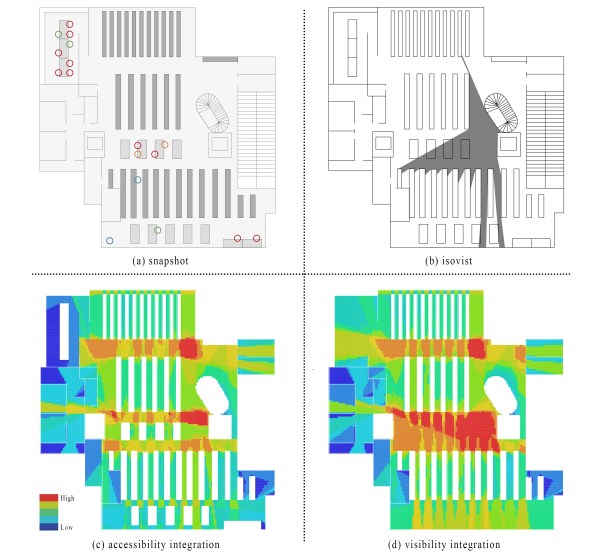
The relationship between space and function has been one of the key defining questions in modernism. However, as Bill Hillier explains, ‘[o]ne scours the architectural manifestos of the twentieth century in vain for a thorough going statement of a determinism from spatial form to function, or its inverse’. Yet, there is a relationship of some... Continue Reading →
Human figures and inhabited space in 742 Evergreen Terrace: An analysis of The Simpsons’ house, popular culture and social behaviour
Can narrative expressions in mass media help us understand contemporary social behaviour in domestic spaces? Gustavo Maldonado, a student in my Architectural Phenomena module at the Bartlett School of Architecture, UCL (2019-20) raised this question for his final essay in the module. He began by explaining that from ancient stone drawings to current TV-shows, humans... Continue Reading →
On Plato Street: Memory, Cartesian Knowledge and Spatial Cognition
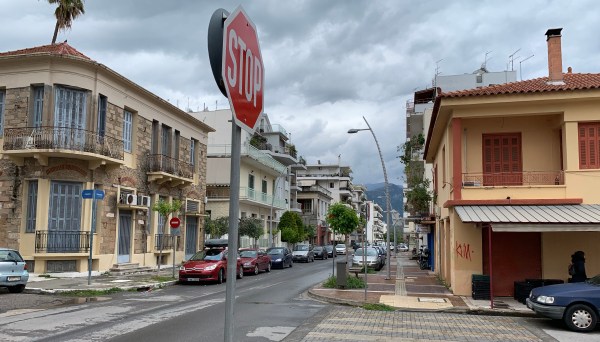
In the town where I lived the first years of my life, the world was no more that three blocks long and three blocks wide. You could see some of its boundaries from our house, which stood at a corner, a towering mountain at the end of one of the two streets, a tall hedge... Continue Reading →
Parliament Buildings: The architecture of power, accountability and democracy in Europe
From Churchill’s claim ‘we shape our buildings, thereafter they shape us’ to Mitterrand’s belief that ‘there is no great politics without great architecture’, parliamentary buildings are widely recognised as the symbols and instruments of political life. Parliament buildings are the symbols and instruments of political life. They shape political culture and the space where the... Continue Reading →
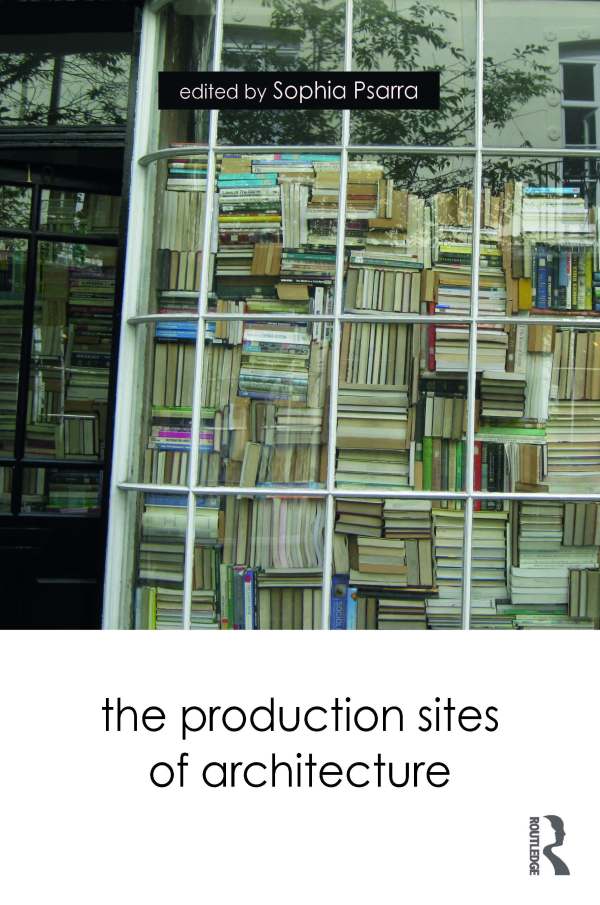
Book Launch – The Production Sites of Architecture
The title of The Production Sites of Architecture is a good summary of what the book is about. Inherent in the picture on the cover and the title is the question of architecture and frameworks of knowledge. Like all artefacts, buildings embody and produce knowledge. Their truly unique feature is their ability to transmit information,... Continue Reading →